How to Evaluate a Bitcoin Mining Site Before You Buy or Lease It
The listing says "20 MW, 4¢ power." Here are the questions that tell you whether that's true, and whether it's a good deal.

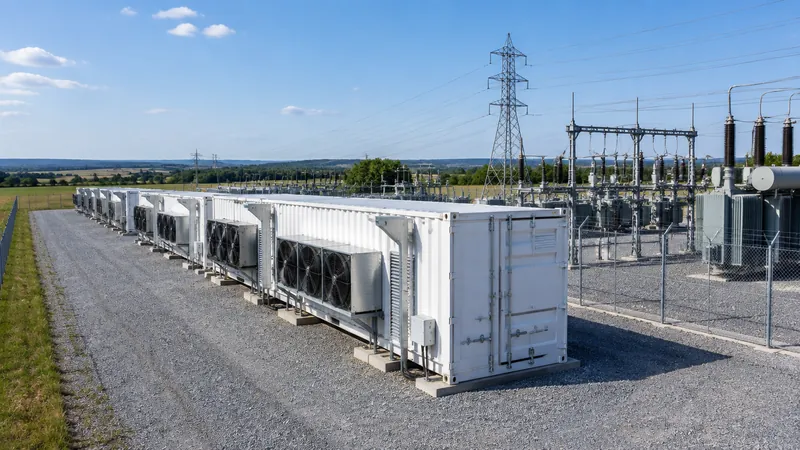
A mining site is only as good as its power. Before you buy or lease, confirm how many megawatts are actually energized (not just "available"), who owns the substation, what the full tariff looks like, and whether the land, zoning and permits allow mining. Most bad deals fail on one of those, not on the headline price.
Every mining site listing looks the same at first glance: a number of megawatts, a price per kWh, a photo of containers or an empty pad. The difference between a great site and an expensive mistake is almost never in the headline. It's in the details behind it.
We review a lot of mining sites at CryptoSites.io. These are the questions we'd ask before putting money into any of them.
1. Power: how many megawatts are really there?
"20 MW" can mean very different things:
- Energized: power is connected, transformers are in place, and you could plug in machines next month.
- Approved but not built: the utility has agreed to deliver the power, but the infrastructure doesn't exist yet. Ask for the timeline in writing.
- In the queue: an interconnection request has been filed. This can take years, and it can be rejected.
- "Available": someone believes the grid could deliver it. This is a hope, not an asset.
Ask for: a utility service letter or interconnection agreement that states the MW, and photos of the actual electrical infrastructure.
2. Who owns the substation and the transformers?
If the seller owns the substation, it's part of what you're buying, and it's often the most valuable part. If the utility owns it, you depend on their maintenance and their schedule. If a third party owns it, you need that agreement too.
Also check the transformer capacity on site. A 20 MW interconnection with 10 MW of transformers is a 10 MW site until you spend more money.
3. The real price of power
"4¢/kWh" is rarely the whole story. Ask for the full tariff:
- Energy charge: the per-kWh price you see in the listing.
- Demand charges: fees based on your peak usage, which can add a lot on top.
- Transmission and distribution fees.
- Taxes and riders.
- Fixed or floating? A fixed-price contract and a rate tied to the wholesale market behave very differently in a heat wave.
Then ask for one or two recent power bills. They tell you more than any summary.
4. Curtailment and demand response
In some markets, especially Texas, miners earn money by switching off when the grid is stressed. That can be a real revenue stream, or a contract that forces you offline at the worst moments. Find out who controls curtailment, how often it happens, and who receives the credits.
5. Land, zoning and noise
- Title or lease: who owns the land, and does the seller have the right to sell or sublease it?
- Zoning: is industrial or data center use allowed?
- Noise: air-cooled miners are loud. Several US counties have introduced noise rules aimed at mining. Check local ordinances and the distance to the nearest homes.
- Permits: building, electrical and environmental permits, and whether they transfer to you.
6. Gas-powered sites: check the gas
Stranded and flare gas sites can offer some of the cheapest power anywhere. They also come with their own questions:
- How much gas is there, and for how long? Ask for production data.
- What's the gas quality? Some gas needs treatment before generators can use it.
- Who owns and maintains the generators?
- What happens if the well declines or the producer changes plans?
7. Cooling and climate
Air cooling works well in cold, dry climates and struggles in hot, humid ones. Immersion and hydro cooling handle heat better but cost more to build. Look at summer temperatures and humidity, and ask how the site performed during the last heat wave.
8. Connectivity and access
Mining needs less bandwidth than people think, but it needs reliable internet with a backup. Also check road access for containers and transformers, and how far away the nearest technicians and spare parts are.
9. The documents to ask for
Before any serious offer, you should see:
- A utility service letter or interconnection agreement
- Recent power bills
- Title deed or lease
- Zoning confirmation and permits
- Site plan and electrical single-line diagram
- Photos and, ideally, a site visit
If a seller can't produce these, that tells you something too.
The bottom line
The best mining sites aren't the ones with the lowest price in the headline. They're the ones where the megawatts are real, the tariff is understood, and the land can legally be used for mining for years.
CryptoSites.io is a marketplace for powered land, mining sites and hosting capacity worldwide. Verified members see the power price, asking price and location of every listing at cryptosites.io. This article is general information, not legal or financial advice.
Looking for a mining site or hosting?
Browse powered land, mining sites and hosting worldwide. A free account opens the full details of our highlighted sites.
Keep reading
All of Miners Digest →
Which Mining and Crypto Conferences Are Worth It If You Buy, Sell or Host Mining Sites (2026-2027)
Not every crypto conference is useful for site deals. Here is where power developers, hosting buyers and mining capital actually meet, and how to turn a few days on the floor into real conversations.
Buying a Distressed Bitcoin Mining Site: What You Are Really Buying
Bankruptcy sales, lender foreclosures and motivated sellers can offer megawatts at a discount. The discount is only real if the power contract, the permits and the equipment title come with it.
The Moratorium Map: Where US Towns and States Are Blocking Mining and AI Data Centers
Cheap electricity and a grid connection are no longer enough. Local permission has become one of the biggest risks in any US site deal, and it can change faster than a power contract.