How to Manage a Bitcoin Mining Data Center
Running a mining site is part power plant, part factory floor and part IT department. Here's what it takes to run one well, from power and cooling to people, safety and the numbers to watch.

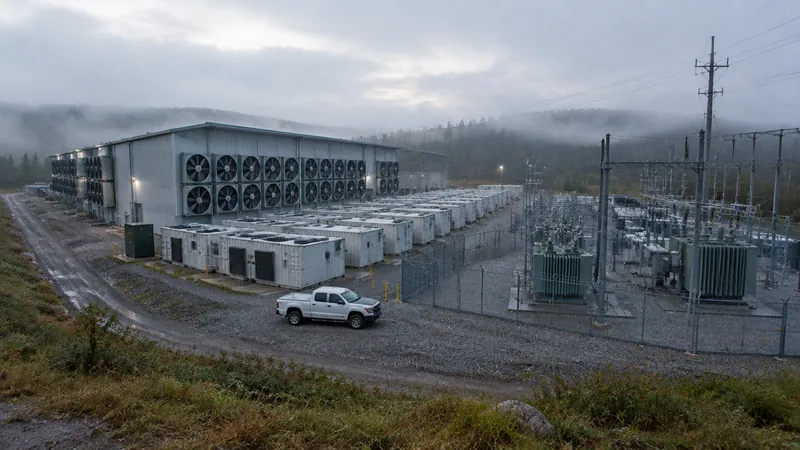
A well-run mining data center gets five things right: reliable power infrastructure, cooling matched to the climate, a team and process for repairs, strong security and safety, and clear numbers that show how the site is performing. If you host other people's machines, add transparency for your customers to the list.
From the outside, a mining data center looks simple: a building or a row of containers, a substation and a lot of fans. Inside, it's a 24/7 operation where small problems turn into lost revenue quickly.
1. Power infrastructure
Everything starts with power. A well-run site knows exactly:
- How much power it has, from the utility connection down through transformers, switchgear and each circuit.
- Where the limits are, so racks aren't loaded beyond what a breaker or transformer can carry.
- What happens when something fails, with spare parts for critical electrical gear and a plan for long outages.
Keep the electrical drawings (the single-line diagram) up to date, label every panel, and have a qualified electrician you can reach at any hour.
2. Cooling
Miners turn almost all of their power into heat, and heat is the most common cause of lost hashrate.
- Air cooling is the cheapest to build and works best in cool, dry climates. It needs strong airflow, separation of hot and cold air, and regular filter cleaning.
- Immersion cooling submerges machines in fluid. It handles heat and dust much better and can allow overclocking, but costs more to build and maintain.
- Hydro cooling uses water-cooled machines and suits hot climates and dense deployments.
Plan for the hottest week of the year, not the average one.
3. Layout and network
Organize racks so every machine can be reached, identified and replaced quickly. Give each machine a location label that matches your monitoring system. Build the network with redundancy: a backup internet connection and spare switches, because one failed switch can take a whole row offline.
4. People and process
A mining site needs fewer people than a traditional data center, but they need to be good and well organized:
- On-site technicians who can diagnose, swap and repair machines.
- A repair bench with tools, test equipment and spare parts.
- Clear processes: how a failure is reported, who fixes it, how a repaired machine is tested and returned.
- Coverage around the clock, on site or on call, because machines don't fail only during office hours.
- An inventory of every machine, its serial number, location and repair history.
5. Security and safety
A mining site holds valuable hardware and serious amounts of electricity.
- Physical security: fences, cameras, access control and a record of who enters.
- Electrical safety: trained staff, lockout procedures when working on circuits, and protective equipment.
- Fire safety: detection, suppression suited to electrical equipment, and clear emergency routes.
- Cyber security: machines and dashboards behind a properly managed network, with default passwords changed.
6. The numbers to watch
| Metric | Why it matters |
|---|---|
| Uptime % | The share of time machines are hashing |
| Hashrate realization | Actual vs rated hashrate across the fleet |
| Power usage | Total kWh and load per circuit, against your limits |
| Cost per kWh, all-in | Power plus every operating cost, per kWh delivered |
| Mean time to repair | How long failed machines stay offline |
| Intake temperatures | Early warning before machines throttle |
Review them every day, and look at trends every week.
7. If you host customers' machines
Hosting adds a second job: earning your customers' trust. The best hosting operators:
- Give every customer a dashboard for their own machines.
- Publish uptime and explain outages.
- Bill clearly, with one rate per kWh and no surprise fees.
- Respond on the channels customers actually use.
- Make it easy to verify that each machine is theirs, and easy to ship it out if they leave.
The bottom line
Managing a mining data center well isn't about one big decision. It's about hundreds of small ones made consistently: keeping power reliable, heat under control, machines repaired fast, people safe and numbers visible. Sites that do this well run at high uptime for years, and their customers stay.
You can find powered land, existing mining sites and hosting capacity worldwide at cryptosites.io.
CryptoSites.io is a marketplace for powered land, mining sites and hosting capacity worldwide. This article is general information, not engineering, legal or financial advice.
Looking for a mining site or hosting?
Browse powered land, mining sites and hosting worldwide. A free account opens the full details of our highlighted sites.
Keep reading
All of Miners Digest →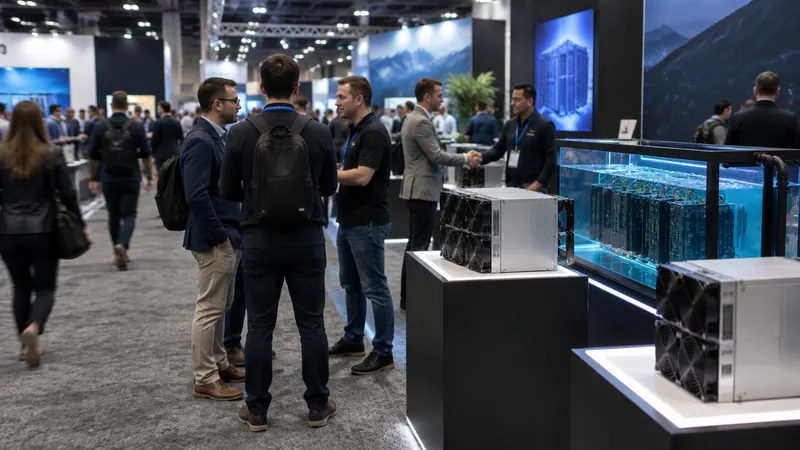
Which Mining and Crypto Conferences Are Worth It If You Buy, Sell or Host Mining Sites (2026-2027)
Not every crypto conference is useful for site deals. Here is where power developers, hosting buyers and mining capital actually meet, and how to turn a few days on the floor into real conversations.
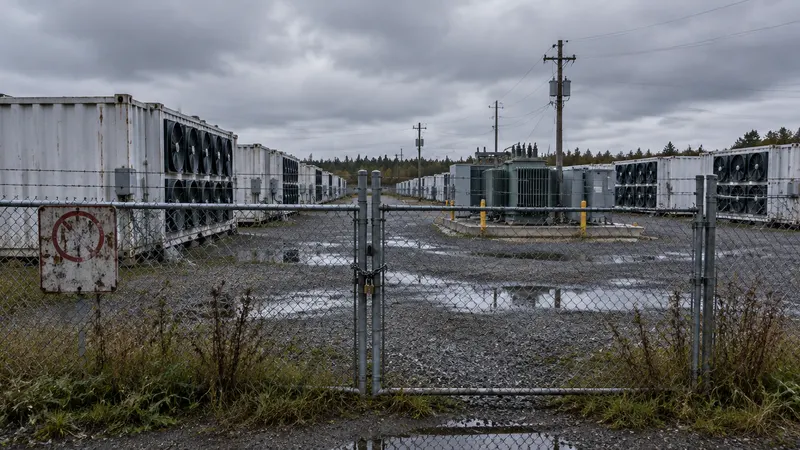
Buying a Distressed Bitcoin Mining Site: What You Are Really Buying
Bankruptcy sales, lender foreclosures and motivated sellers can offer megawatts at a discount. The discount is only real if the power contract, the permits and the equipment title come with it.
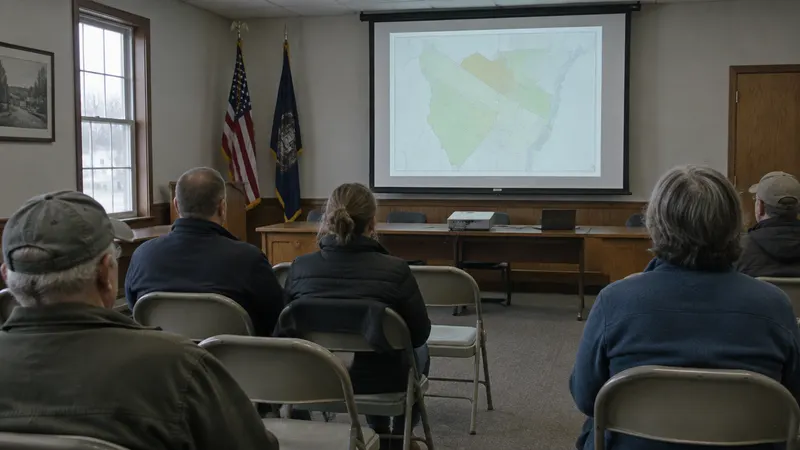
The Moratorium Map: Where US Towns and States Are Blocking Mining and AI Data Centers
Cheap electricity and a grid connection are no longer enough. Local permission has become one of the biggest risks in any US site deal, and it can change faster than a power contract.