What Actually Drives Bitcoin Mining Hosting Prices in 2026
A hosting quote is one number per kWh, but at least six things hide inside it. Here's what moves the price, and why the cheapest quote isn't always the cheapest deal.

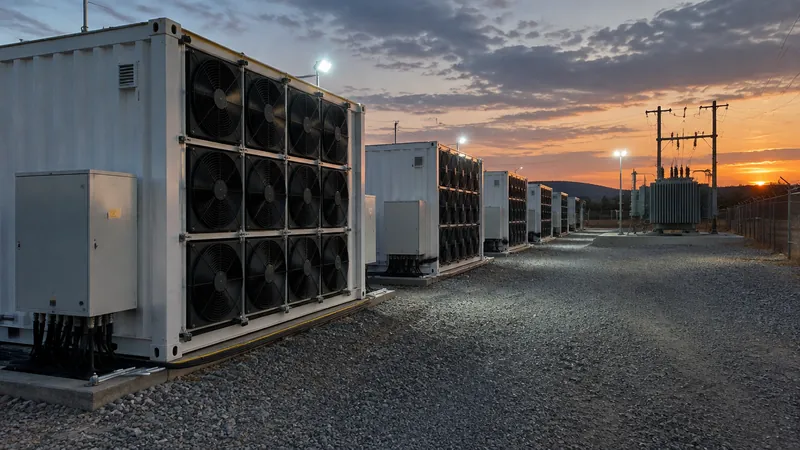
Hosting prices are built from the host's power cost plus everything it takes to keep your machines running: cooling, staff, repairs, security, risk and margin. Since the 2024 halving squeezed miners' margins, and AI data centers started competing for the same powered sites, hosts have moved toward simpler all-in rates, longer contracts and fewer hidden fees. On our board today, most US hosting sits at 4.5 to 4.55¢/kWh, with outliers from 3.6¢ to 6.65¢.
Ask five hosting providers for a quote and you'll get five numbers per kWh. They look comparable. They usually aren't.
A hosting price isn't the price of electricity. It's the price of electricity plus everything a host has to do to turn that electricity into hashrate for you, every hour, for years. Understanding what's inside the number is the fastest way to compare offers honestly.
What's inside a hosting price
Every hosting rate is built from roughly the same parts:
- The host's own power cost. What the host pays its utility or generator, including demand charges and transmission fees. This is the biggest part, and the one that varies most by location.
- Cooling and infrastructure. Fans, containers, immersion tanks, transformers and the buildings around them, paid off over their life.
- People. Technicians on site, security, and the team that answers when a machine goes offline at 3 a.m.
- Repairs and spare parts. Hashboards fail. Fans fail. A good host has parts and a repair bench on site.
- Risk. Curtailment, grid outages, price spikes in the power market and customers who stop paying.
- Margin. The host is a business.
When one quote is much lower than another, one of these six is usually smaller. Sometimes that's genuine (cheaper power). Sometimes it's a fee that shows up later.
What shifted the market
The 2024 halving squeezed everyone. In April 2024 the Bitcoin block subsidy dropped from 6.25 to 3.125 BTC. For miners, revenue per machine fell overnight while the power bill stayed the same. That made every tenth of a cent on the hosting rate matter more, and pushed miners to compare offers far more carefully than before.
AI started competing for the same sites. Large powered sites are now wanted by both Bitcoin miners and AI data centers. When a site can earn more hosting AI hardware, the price of hosting ASICs on it has to keep up, or the capacity goes elsewhere.
Simpler pricing won. As miners got more price-sensitive, hosts that quote one clear rate per kWh, with no service fees on top, became easier to choose. On our own board, one US multi-site provider advertises zero service fees at 5.5¢, and a New York offer lists no install fees and no hidden fees at 4.55¢. A higher headline rate with nothing on top can beat a lower rate with a monthly per-machine fee.
Longer commitments got cheaper. Some hosts now trade a lower rate for a longer or prepaid commitment. Our Kazakhstan listing, for example, is a 7-year prepaid rate at 4.9¢. That's a good deal only if you're sure about the next seven years.
Where prices sit right now
Across the hosting offers on our board in October 2026:
| Range | Where |
|---|---|
| Under 4¢ | Nigeria (3.6¢), Ethiopia (3.99¢) |
| 4.2 to 4.4¢ | UAE, Finland, Arctic Norway |
| 4.5 to 4.55¢ | Most of the US: Georgia, South Carolina, Houston, Texas, Kansas, New York |
| 4.76 to 4.9¢ | Canada, Brazil, Paraguay, Kazakhstan |
| Above 5¢ | US multi-site with zero service fees (5.5¢), Czechia (6.65¢) |
The US cluster is the most telling part. Different grids, different power sources, nearly identical prices. That's what a competitive market looks like: hosts price against each other.
How to compare two quotes
Before you sign, turn every quote into one number: the all-in cost per machine per month.
- Take the rate per kWh and multiply by your machine's monthly use (an Antminer S21 XP at 3,645 W uses about 2,660 kWh a month).
- Add any monthly service or management fee.
- Add setup or install fees, spread over the contract.
- Ask what you pay during curtailment and downtime.
Then compare that number, not the headline rate. You can check what your machines earn at different power prices on our ASIC Board (cryptosites.io/asic-board).
The bottom line
Hosting prices aren't random. They follow the cost of power, the cost of running a site well, and how hard hosts have to compete for your machines. The best deal is rarely the lowest number on the page. It's the clearest number, from a host you'd trust to keep your miners running.
CryptoSites.io is a marketplace for powered land, mining sites and hosting capacity worldwide. Hosting prices in this article are taken from offers listed on cryptosites.io in October 2026 and can change at any time. Some hosting providers on our board are partners of CryptoSites.io. This is not financial advice.
Looking for a mining site or hosting?
Browse powered land, mining sites and hosting worldwide. A free account opens the full details of our highlighted sites.
Keep reading
All of Miners Digest →
Bitcoin Difficulty Is Down 15% From Its Peak. Should You Buy a Mining Site Now?
Lower difficulty means each machine earns more bitcoin. But difficulty follows hashrate, and hashrate can come back fast. Here's how to price a site on a range, not on today's number.

Where the World's Hashrate Is Moving in 2026 (and What It Means for Site Prices)
The network stopped shrinking in Q3 2026, but the map underneath it is still changing fast. Developed markets are giving up hashrate to AI, while a group of energy-rich countries keeps absorbing new machines.
Hashprice Near $40: Which Mining Sites Still Make Money (and Which Owners Will Sell)
At about $40 per PH per day, a fleet's efficiency sets a hard ceiling on the electricity cost it can afford. Here's where that ceiling sits, who is under pressure, and what it means for anyone buying a site.