Where the World's Hashrate Is Moving in 2026 (and What It Means for Site Prices)
The network stopped shrinking in Q3 2026, but the map underneath it is still changing fast. Developed markets are giving up hashrate to AI, while a group of energy-rich countries keeps absorbing new machines.

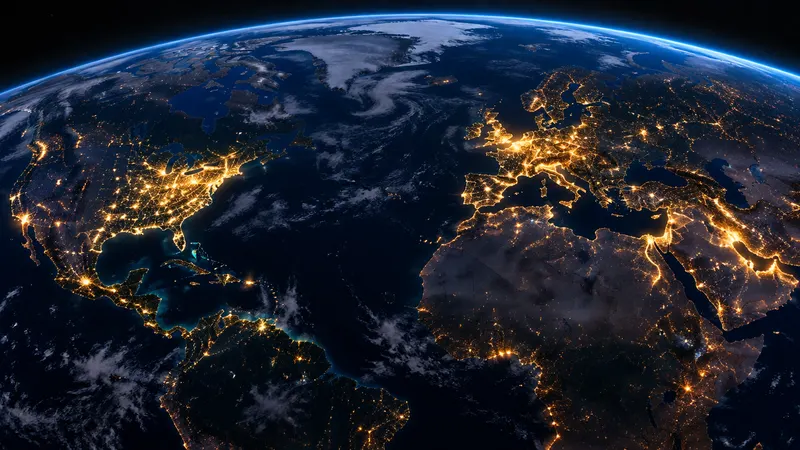
Global hashrate held at about 941 EH/s in Q3 2026, the first quarter this year without a decline, but still about 15% below its late-2025 peak. The US still hosts over a third of the network, yet it lost hashrate as some sites switched to AI work that earns far more per MWh. Russia, Paraguay, the Gulf, Ethiopia and newer markets such as Pakistan are taking up the slack. For site buyers, that means more mining sites for sale in mature markets and stronger competition for cheap power elsewhere.
For most of 2026, the headline story in mining was decline. Hashrate fell quarter after quarter as margins tightened. In Q3 that stopped. According to the Hashrate Index Q4 2026 heatmap update, the network averaged about 941 EH/s, flat on the previous quarter.
Flat does not mean stable, though. Look at the country level and you see machines leaving some places and arriving in others. That movement matters for anyone buying, selling or valuing a mining site.
The big picture
A few numbers set the scene, all from the same Hashrate Index update:
- Network hashrate was about 941 EH/s in Q3 2026.
- That is flat quarter on quarter, the first quarter of 2026 without a fall.
- It is down 8.7% year on year.
- It sits about 15% below the late-2025 peak (about 1,110 EH/s for November 2025 as a monthly average; shorter 7-day averages peaked higher, around 1,150 EH/s in October).
So the network shrank and then found a floor. The question is where the remaining hashrate lives, and where the next machines will go.
Country shares in Q3 2026
| Country | Share of global hashrate |
|---|---|
| United States | 35.6% (about 335 EH/s) |
| Russia | 18.1% |
| China | 11.7% |
| Paraguay | 4.8% |
| Oman | 3.0% |
| UAE | 2.8% |
| Canada | 2.3% |
| Indonesia | 2.1% |
| Norway | 1.7% |
| Ethiopia | 1.6% |
Source: Hashrate Index, Q3 2026 estimates.
The top three still hold about two thirds of the network. But the rest of the list is more interesting. Paraguay, Oman, the UAE and Ethiopia each now host more hashrate than many traditional mining countries. All of them have one thing in common: large amounts of energy that is cheap or hard to sell elsewhere.
Who is losing hashrate
The year-on-year declines are steep in several places:
- Iran: down 62%.
- Kazakhstan: down 32%.
- Canada: down 27%.
- United States: down 14%, and down about 10 EH/s in Q3 alone.
The reasons differ. In some countries, policy and grid limits push miners out. In developed markets like the US and Canada, the main reason is simpler. As Hashrate Index puts it, the power found a better use.
That better use is AI and high-performance computing. Hashrate Index estimates AI/HPC work earns about $1,500 to $3,500 per MWh, against about $50 to $150 per MWh for bitcoin mining. When the same substation can earn ten times more hosting GPUs, many owners convert. Some mining companies are doing it themselves. Others are selling sites to developers who will.
Who is gaining
The quarter-on-quarter gains tell the other half of the story:
- Russia: up about 8 EH/s.
- Pakistan: up 220%, to about 8 EH/s.
- Venezuela: up 67%, to over 10 EH/s.
Add Paraguay's hydro, Gulf gas and Ethiopian hydro, and a pattern appears. Hashrate is moving toward places where electricity is cheap, often stranded or surplus, and where AI developers are not yet bidding for the same power.
A note on our own coverage: CryptoSites.io does not list sites in China, Iran or Venezuela, because mining is banned there or the countries are under sanctions. They still appear in the global data above, because they are part of the network.
What this means for site prices
The shift has two effects on the market for mining sites.
In mature markets, more sites come up for sale. When a US or Canadian miner decides its site is worth more for AI, it either converts or sells. Sites that are too small, too remote or too weak on grid capacity for AI often end up back on the market for miners. That can be a good buying window for well-run sites with clear power contracts.
Sites that suit AI get repriced. A site with a large, firm grid connection, room to grow and fibre nearby is no longer valued only on mining revenue. Its price starts to reflect what an AI developer would pay. Miners competing for those sites are bidding against a much richer use of the same megawatts. We covered why in Powered Land Is the Scarcest Asset in Compute.
In energy-rich emerging markets, competition rises. As more hashrate moves to places like Paraguay, Ethiopia, Oman and Pakistan, the best power deals there get taken. Early movers have the advantage, and policy risk becomes a bigger part of the price.
How to use this as a buyer or owner
- Check where your site sits on the map. A site in a market that is losing hashrate to AI may have a second buyer pool. A site in a growing market may have more mining competition.
- Know your electricity cost against the network. Hashrate moves toward the lowest costs. If yours is high for your region, expect pressure on margins.
- Value the grid connection, not just the machines. Firm capacity, substation size and expansion rights are what AI buyers pay for.
- Price in country risk. Fast-growing markets can change rules quickly. Read the legal status before you commit.
- Compare regions side by side. Our guide to where to mine bitcoin in 2026 sets out the trade-offs region by region.
The bottom line
The network has found a floor, but the map keeps changing. Developed markets are trading hashrate for AI income. Energy-rich countries are taking in the machines. For site buyers, that creates opportunity in both places, as long as you value each site for what its power could earn, not only what it earns today.
You can compare mining sites and hosting offers on the map at cryptosites.io. Click any country on the map to see its electricity price, power mix, mining legal status and CryptoSites score. If you own a site and want to test the market, our site specialists can help through the listings desk.
CryptoSites.io is a marketplace for powered land, mining sites and hosting capacity worldwide. Hashrate figures are estimates published by Hashrate Index for Q3 2026 and may be revised. This is not financial advice.
Looking for a mining site or hosting?
Browse powered land, mining sites and hosting worldwide. A free account opens the full details of our highlighted sites.
Keep reading
All of Miners Digest →
Bitcoin Difficulty Is Down 15% From Its Peak. Should You Buy a Mining Site Now?
Lower difficulty means each machine earns more bitcoin. But difficulty follows hashrate, and hashrate can come back fast. Here's how to price a site on a range, not on today's number.
Hashprice Near $40: Which Mining Sites Still Make Money (and Which Owners Will Sell)
At about $40 per PH per day, a fleet's efficiency sets a hard ceiling on the electricity cost it can afford. Here's where that ceiling sits, who is under pressure, and what it means for anyone buying a site.
Where to Mine Bitcoin in 2026: Comparing Regions by Power, Climate and Risk
North America, the Nordics, the Middle East, Africa and Latin America all host serious mining today. Here's how they compare on power price, climate, reliability and risk, using hosting prices from our own board.