What the Bitcoin Halving Means for Mining, and How to Prepare for the Next One
Every four years, the reward for mining a block is cut in half overnight. Here's what that does to miners' revenue, which machines survive it, and what to do before the next halving around 2028.

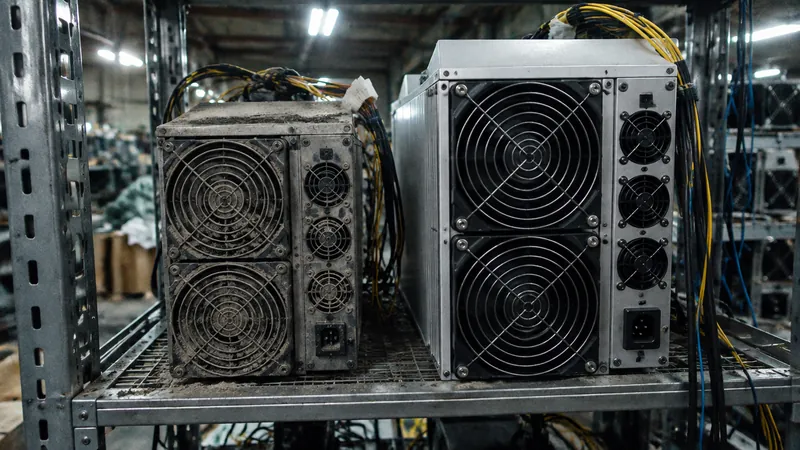
The halving cuts the new bitcoin paid to miners in every block by 50%. Unless Bitcoin's price or transaction fees rise enough to make up for it, each machine earns roughly half as much from block rewards overnight, while its power bill stays the same. Inefficient machines and expensive power get pushed out first. Miners who prepare with efficient hardware and cheap, reliable power come out stronger.
Bitcoin has a built-in schedule. Every 210,000 blocks, which is roughly every four years, the number of new bitcoins paid out in each block is cut in half. It's called the halving, and for miners it's the single biggest scheduled event in the industry.
A short history
| Year | Block reward |
|---|---|
| 2009 | 50 BTC |
| 2012 | 25 BTC |
| 2016 | 12.5 BTC |
| 2020 | 6.25 BTC |
| April 2024 | 3.125 BTC |
| Expected around 2028 | 1.5625 BTC |
The schedule continues until the 21 million bitcoin limit is reached, around the year 2140. After that, miners will be paid by transaction fees alone.
What happens to a miner's revenue
A miner earns two things for each block: the block reward (new bitcoin) and the transaction fees in that block. For most of Bitcoin's history, the block reward has been by far the larger part.
On halving day, the reward part is cut in half. Nothing else changes: the machine uses the same electricity, the hosting bill is the same, the hardware is the same. If Bitcoin's price and fees don't move, revenue per machine from block rewards drops by half overnight.
That's why hashprice, what one unit of hashrate earns per day, typically falls sharply right after a halving.
Who gets squeezed out
The halving works like a filter:
- Old, inefficient machines hit their break-even power price first. A machine that was barely profitable the day before can be unprofitable the day after.
- Expensive power becomes impossible to justify. Miners paying a high price per kWh feel the cut most.
- Thin margins and heavy debt don't survive long. Operators who borrowed against expected revenue can be forced to sell machines or sites.
When those machines switch off, network hashrate can dip, difficulty adjusts down, and the miners who remain earn a slightly larger share. Over time, the market settles into a new balance.
What tends to happen next
There's no guarantee about Bitcoin's price after a halving, and past cycles don't promise future ones. What's more predictable is how the industry adjusts:
- Efficiency matters more. Miners upgrade to newer machines with lower joules per terahash.
- Cheap power matters more. Hashrate moves toward the lowest-cost power: stranded gas, hydro and well-negotiated contracts.
- Consolidation. Larger, better-funded operators buy machines and sites from those who can't continue.
- Fees matter more. As block rewards shrink, transaction fees become a larger share of miners' income.
How to prepare for the next halving
- Know your break-even power price for every machine. If it's close to what you pay today, it won't survive a halving. (See how to calculate miner profitability.)
- Plan upgrades early. New-generation machines get expensive and hard to find in the months before a halving.
- Lock in cheap, long-term power. Every tenth of a cent counts more when revenue is halved.
- Avoid heavy debt against future revenue. Cash flow can drop faster than repayments.
- Decide where old machines go. Sell them, move them to cheaper power, or retire them, before everyone else tries to do the same.
The bottom line
The halving isn't a surprise. It's on a schedule decades in advance. The miners who struggle are the ones who planned as if it weren't coming. Efficient machines and cheap, reliable power are what carry an operation through it, and the time to secure both is well before the next one.
CryptoSites.io is a marketplace for powered land, mining sites and hosting capacity worldwide. This article is general information, not financial advice.
Looking for a mining site or hosting?
Browse powered land, mining sites and hosting worldwide. A free account opens the full details of our highlighted sites.
Keep reading
All of Miners Digest →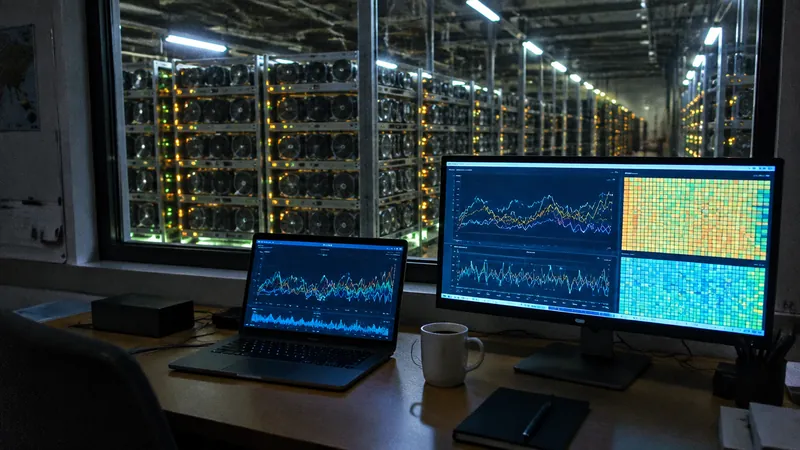
How AI Can Optimize Bitcoin Mining (and Where It's Just Hype)
From per-chip tuning to pool selection, power-price forecasting and predicting failures, here's where data-driven automation genuinely helps miners today, and where "AI mining" is a sales pitch.
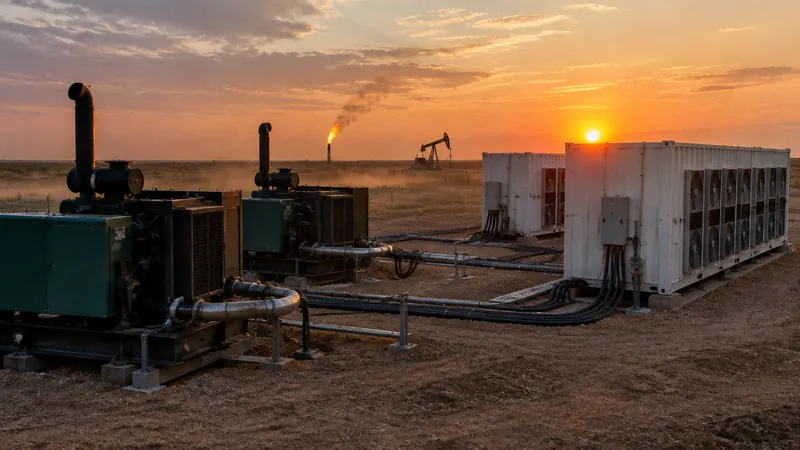
Energy Sourcing for Bitcoin Mining in 2026: Options, Trade-Offs and Current Issues
Grid power, stranded gas, hydro and renewables each come with their own price, risks and politics. Here's how miners source power today, and the issues shaping where they can build.
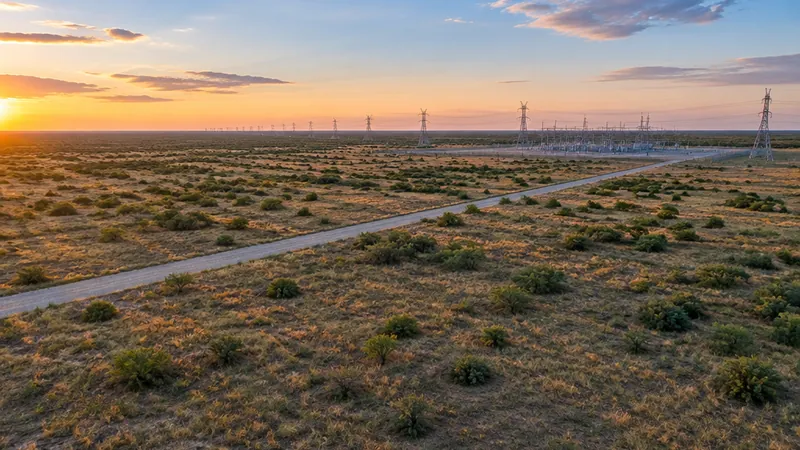
Powered Land Is Becoming the Scarcest Asset in Compute
Chips can be ordered and buildings can be built. Megawatts on the grid can take years. That's why Bitcoin miners and AI builders are now chasing the same land.