Big Tech Is Buying the Grid: How Miners Compete When Hyperscalers Want the Same Power
Hyperscalers can pay many times more per MWh than a bitcoin miner. On firm grid power, miners will usually lose that contest. Off the main road, they still have real advantages.

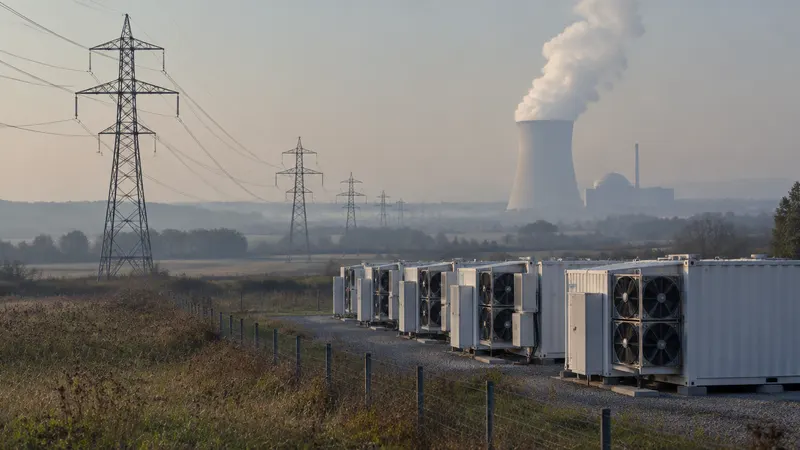
Big tech is locking up firm power with long contracts, nuclear upgrades and community spending. AI and HPC can earn $1,500 to $3,500 per MWh against $50 to $150 for bitcoin mining, so miners rarely win a straight bidding war. They still win on stranded, curtailable and remote power, on sites too small or too far from fibre for hyperscalers, and by selling flexibility to utilities.
A few years ago, a bitcoin miner looking for cheap grid power mostly competed with other miners. That has changed. The largest technology companies in the world now want the same megawatts, and they are willing to pay for them with long contracts and big upfront spending.
For miners and site buyers, the question is no longer whether this competition exists. It is where miners can still win, and what it does to the price of a site.
What the latest deals look like
Two recent deals show the scale.
Google and Constellation. Google signed a 20-year power purchase agreement for 890 MW from more than $4.3B of upgrades at 11 existing nuclear units in Illinois, Pennsylvania and New Jersey, The Energy Mag reports. No new reactors are being built. The upgrades add roughly one large reactor's worth of output to PJM, the grid that covers much of the US mid-Atlantic and Midwest.
Amazon and host communities. Amazon has committed more than $1B over five years to communities that host its data centers, including energy-efficiency work for over 30,000 homes, according to The Energy Mag. In the same report, the AWS CEO said more than 100 data center moratoriums are under consideration.
Both deals point the same way. Hyperscalers are not just buying electricity. They are buying certainty: 20-year supply, local goodwill and a path through planning objections. That is a game with a very high entry fee.
Why miners lose the bidding war for firm power
The numbers are blunt. Hashrate Index estimates that AI and HPC earn $1,500 to $3,500 per MWh, compared with $50 to $150 per MWh for bitcoin mining, in its Q4 2026 global hashrate heatmap update. The same update notes that developed markets have lost hashrate because the power found a better use.
When one buyer can earn ten or more times as much from each MWh, it can outbid on every term that matters: rate, contract length, upgrade costs and community payments. In tight markets like PJM, a miner competing head-on for firm, always-on grid power is usually competing for second place.
That does not make mining unviable. It means miners need to go where hyperscalers will not.
Where miners still win
Hyperscalers need firm power, redundancy, fibre and large, clean sites near people and networks. Anything that fails those tests is a gap miners can fill:
- Stranded and curtailable power. Wind, solar and hydro in places where the grid cannot always take the output. A miner can buy what would otherwise be wasted, and switch off when it is needed elsewhere.
- Flare and associated gas. Gas produced alongside oil, with no pipeline to take it. A small generator and a few containers turn a waste stream into revenue. These sites are far too small and remote for an AI campus.
- Remote hydro. Older or smaller hydro plants far from cities and fibre routes. AI tenants want low latency and redundancy; a miner only needs a stable internet link.
- Demand-response sites. Locations where the utility will pay, or discount, for load that can drop off within minutes when the grid is stressed.
- Sites hyperscalers pass over. Too small, too remote, no fibre, or no room to expand to hundreds of megawatts. A 20 MW site is a rounding error for a hyperscaler and a solid business for a mid-sized miner.
Our guide to energy sourcing for bitcoin mining goes deeper on each of these sources.
Flexibility is a product, so sell it
The strongest card a miner holds is that it can turn off. An AI training cluster wants power every hour of the year. A mining site can drop load in seconds and come back when prices fall.
To a utility or grid operator facing more data center demand than it can serve, that is valuable. Flexible load helps balance the grid, can make room for new generation and can ease the political pressure behind moratoriums. Miners who pitch themselves as a grid tool, not just a customer, are more likely to get a connection, a demand-response payment or a better tariff. Bring curtailment history, response times and a clear offer to the first meeting.
What this means for site pricing
The competition is splitting the market into two price tiers.
| Site type | Who is bidding | Effect on price |
|---|---|---|
| Firm grid power, fibre, room to grow (for example in PJM) | Hyperscalers, AI developers, miners | Priced on AI economics; miners usually outbid |
| Mid-sized sites with some redundancy | AI developers and larger miners | Strong demand; conversion potential adds value |
| Stranded, curtailable, flare gas or remote hydro | Mostly miners | Priced on mining economics; still the lowest electricity cost |
For sellers, the lesson is to know which buyer your site really suits. A site that fits AI should be marketed to AI buyers. Our guide on converting a bitcoin mining site to an AI data center covers what they check. A site that only fits mining should be priced on mining returns, not on the latest gigawatt headline.
For buyers, it means the cheapest megawatts are moving to the edges of the grid. Expect to trade convenience for electricity cost. Our piece on gigawatt power deals and what they mean for site buyers looks at this from the buyer's side.
Practical steps
- Check the grid region first. If hyperscalers are signing long deals nearby, firm power there will only get more expensive.
- Look for power others cannot use. Curtailment data, flare volumes and remote hydro output are where miners keep an edge.
- Document your flexibility. Response times and curtailment history are selling points to utilities and to buyers.
- Price honestly. Match your asking price to the buyer who can actually use the site.
Compare sites on the map at cryptosites.io. Click any country to see its electricity price, power mix, legal status and CryptoSites score. If you have a site to sell or lease, list it through the listings desk and our site specialists will help you reach the right buyers.
CryptoSites.io is a marketplace for powered land, mining sites and hosting capacity worldwide. Deal details and revenue estimates in this article come from the sources linked above as of October 2026 and can change at any time. This is not financial advice.
Looking for a mining site or hosting?
Browse powered land, mining sites and hosting worldwide. A free account opens the full details of our highlighted sites.
Keep reading
All of Miners Digest →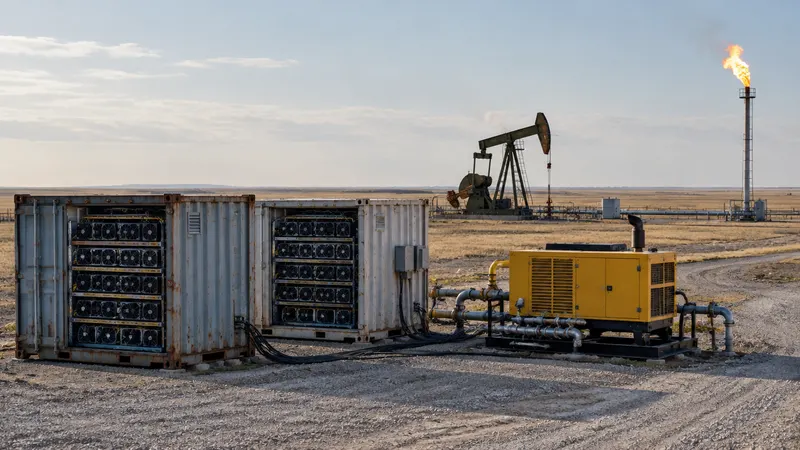
Flare Gas Mining Sites: How They Work and What to Check Before You Buy or Host
Gas that would be burned at the well can run generators and mining containers instead. The power is cheap, but the site lives or dies on gas volume, gas quality and the contract with the producer.
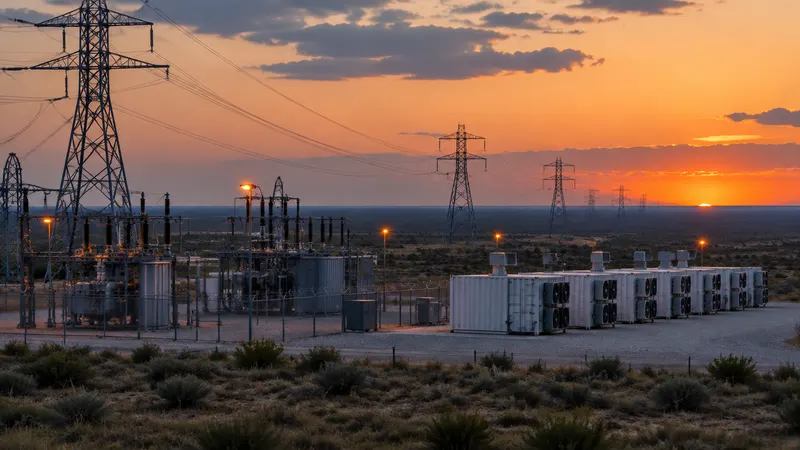
Selling Power Back to the Grid vs Mining: When the Megawatt Is Worth More Unplugged
With hashprice near $40, some miners now earn more in the hottest hours by not mining. Here is how the math works per MWh, and which contract terms make that option worth money.
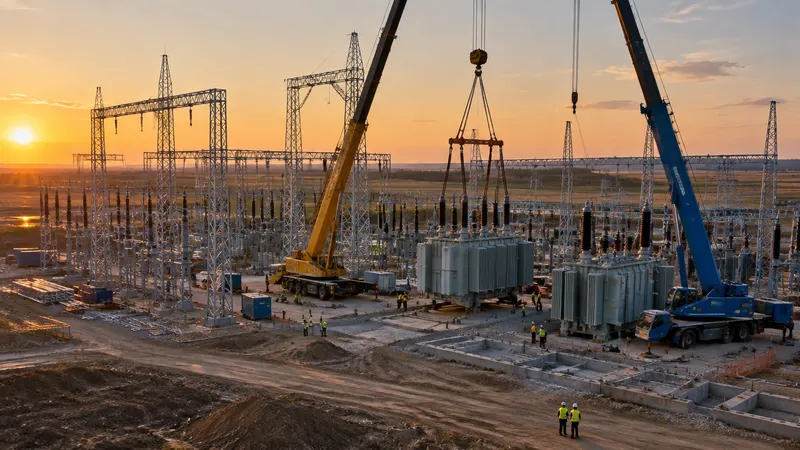
The Gigawatt Rush: What 1 GW Power Deals Tell Smaller Site Buyers
Large developers are signing gigawatt power agreements that will not deliver until 2028 or later. That long wait is exactly why an energised 5 to 50 MW site today is worth so much.