Curtailment Risk: What Happens When the Utility Cuts Your Power (and How to Protect Your Contract)
Every mining site can lose power on someone else's schedule. The clauses in your power or hosting contract decide whether that is a short pause or a serious loss.

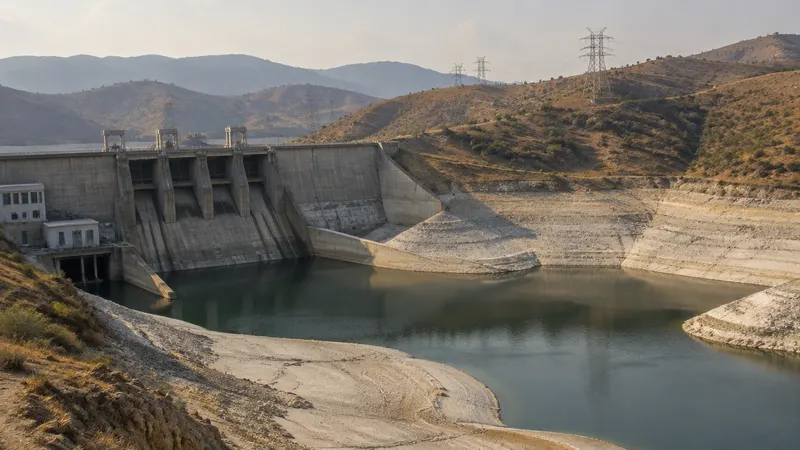
Curtailment is when a utility or grid operator cuts or limits the power a site can use. It can be paid, as with demand response, or unpaid, as with seasonal shortages and winter shutdowns. Read the priority of supply, notice periods, take-or-pay terms and compensation clauses before you sign, and spread your machines across more than one site or region.
Miners plan around a number: the electricity cost per kWh. But that number assumes the power is there. When it is not, the machines stop earning while many of the costs keep running.
Curtailment is part of mining everywhere. The question is not whether it will happen, but how often, on whose terms, and who pays for it.
The common forms of curtailment
Demand response. On some grids, large flexible loads can agree to switch off when demand peaks. In ERCOT, the Texas grid, miners can be paid for this flexibility. Here, curtailment is a feature of the deal, and it can add revenue.
Seasonal shortages. Hydro-powered sites depend on rain and river flows. In a dry season, the utility may have less power to sell and will often cut industrial users first.
Winter shutdowns. Some countries cut mining when households need power for heat. Kyrgyzstan, for example, shut down mining farms for the winter of 2025-26 until the end of March 2026, as The Diplomat reported.
Grid events and maintenance. Line faults, storms and planned work can take a site offline with little warning.
A recent example from a hydro grid
This autumn, Ethiopia gave a clear example of seasonal hydro risk. As Cointelegraph reported, Ethiopian Electric Power reduced supply to miners in steps, from 75% to 50% and then to 23% of contracted volume, after El Niño cut reservoir inflows by 20%. The utility said households and manufacturers come first. Seasonal shortages like this are a known feature of hydro grids in many countries, and the contract terms below are what decide how they affect a miner.
The clauses that matter
Most of the risk sits in a handful of clauses. Read each one closely, whether you are signing a direct power purchase agreement or a hosting contract.
- Priority of supply. Where do miners sit in the queue when power is short? If the contract or local law puts households and industry first, assume you will be cut first.
- Curtailment limits. Is there a cap on curtailed hours per month or per year? What happens if the cap is passed?
- Notice periods. How much warning do you get before a cut? A few minutes is normal for demand response. For longer cuts, you want days or weeks.
- Take-or-pay. Do you have to pay for a minimum volume of power even when you cannot use it? If so, check whether curtailment by the utility reduces that minimum.
- Compensation and credits. Are you paid or credited for curtailed hours? In a hosting contract, are fees reduced when the host cannot deliver power?
- Force majeure. What counts as force majeure? Drought, low water and government orders are often included. If they are, the utility or host may owe you nothing during the event.
- Exit rights. If supply falls below a set level for a set time, can you end the contract and move your machines?
- Machine access. During a long cut, can you remove your equipment quickly, and at whose cost?
Paid and unpaid curtailment compared
| Type | Who decides | Usually paid? | What to check |
|---|---|---|---|
| Demand response | You, by agreement | Often yes | Payment terms, response time |
| Seasonal hydro shortage | Utility | Usually no | Priority, force majeure, caps |
| Winter shutdown | Government or utility | Usually no | Dates, exit rights, removal costs |
| Grid fault or maintenance | Grid operator | Usually no | Uptime targets, credits |
How to protect yourself
Price curtailment into your model. Do not assume 100% uptime. Use the site's real history, ideally by month, and run your numbers with a dry season or a winter cut included. Our guide on how to calculate bitcoin miner profitability shows where uptime fits in.
Ask for history, not promises. Request a log of past curtailment events: dates, duration and the share of power cut. A seller or host with nothing to hide will usually have this.
Match the contract to the grid. On a hydro grid, focus on seasonal terms. On a market grid like ERCOT, focus on how demand response is paid and shared.
Have a backup. A second site, or capacity on standby with another host, lets you move machines if one site goes dark for months.
Spread across regions. Different grids have different seasons and different rules. Splitting machines between, for example, a hydro region and a gas or market-grid region means one event does not stop your whole fleet. For more on running through interruptions, read our guide to bitcoin mining uptime management.
For buyers and owners
For buyers and hosting clients, curtailment risk is not a reason to avoid a region. Some of the lowest electricity costs in the world come with seasonal limits. It is a reason to read the contract, price the downtime and keep a plan B. Our guide to energy sourcing for bitcoin mining explains how different power sources behave through the year.
For site owners, clear curtailment terms and an honest uptime record make a site easier to sell or lease. Put the history and the contract terms in your data room from day one.
You can compare sites in many regions on the map at cryptosites.io. Click any country to see its electricity price, power mix, legal status and CryptoSites score. To list a site or hosting capacity, contact our site specialists through the listings desk.
CryptoSites.io is a marketplace for powered land, mining sites and hosting capacity worldwide. Facts in this article come from the public sources linked above as of October 2026, and supply conditions can change quickly. This is not financial or legal advice; have a lawyer review any power or hosting contract before you sign.
Looking for a mining site or hosting?
Browse powered land, mining sites and hosting worldwide. A free account opens the full details of our highlighted sites.
Keep reading
All of Miners Digest →
Which Mining and Crypto Conferences Are Worth It If You Buy, Sell or Host Mining Sites (2026-2027)
Not every crypto conference is useful for site deals. Here is where power developers, hosting buyers and mining capital actually meet, and how to turn a few days on the floor into real conversations.
Buying a Distressed Bitcoin Mining Site: What You Are Really Buying
Bankruptcy sales, lender foreclosures and motivated sellers can offer megawatts at a discount. The discount is only real if the power contract, the permits and the equipment title come with it.
The Moratorium Map: Where US Towns and States Are Blocking Mining and AI Data Centers
Cheap electricity and a grid connection are no longer enough. Local permission has become one of the biggest risks in any US site deal, and it can change faster than a power contract.